
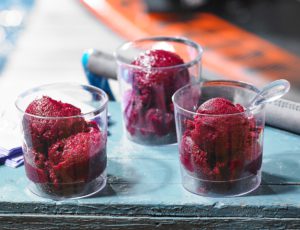
Natural Source of Energy
Maple: Energy to Go
Maple and Sports Nutrition: Teaming Up, Naturally
In addition to containing natural sugars and a wide range of vitamins and minerals, maple syrup from Québec is an ideal energy source for athletes, as it provides simple carbohydrates (primarily sucrose). These carbohydrates are quickly converted into glucose—the main fuel used by muscles and the brain during exercise.
Maple for Athletic Performance
100% pure, with no coloring or preservatives, maple syrup is an excellent training partner for athletes. It is a high-quality source of carbohydrates that helps enhance performance and sustain prolonged, intense efforts. While carbohydrate supplements (such as gels, powders, and sports drinks) can be effective, a “food-first” approach is just as beneficial—and even more appealing—since it also provides vitamins, minerals, enjoyment, and lower cost. Homemade sports drinks and snacks made with maple syrup are generally healthy choices. Let our recipes inspire you.
Athlete
Québec’s elite athletes claim maple as one of their secret weapons that help them perform better, wherever they go in the world. Maple from Canada is proud to support one of the best Québec's professional cyclists who is bringing international acclaim home. This athlete fuel up with this natural energy source before, during, and after training sessions. Find out all about him!
Sports Nutrition
Before Exercise
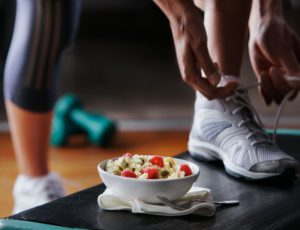
The goal before training is to begin with sufficient energy stores (glycogen) to meet the demands of your workout. To achieve this, your pre-exercise intake should provide energy primarily in the form of carbohydrates while satisfying your appetite. Additionally, to maximize carbohydrate intake and reduce the risk of digestive discomfort, foods consumed before exercise should be easy to digest. Since protein, fat, and fiber take longer to digest, their intake should be limited beforehand.
Your choice of meal or snack depends on how much time you have before training: the shorter the time frame, the more your intake should consist almost exclusively of carbohydrates.
Based on your preferences and digestive tolerance, maple-based recipes are ideal when consumed 45 to 75 minutes before exercise. Thanks to maple syrup, they provide a significant amount of both simple and complex carbohydrates, a small amount of protein, and minimal fiber and fat.



During training
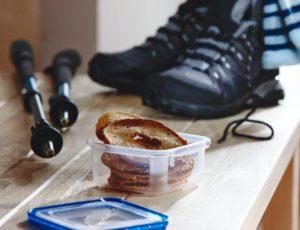
For workouts lasting more than 45 minutes, especially at higher intensity (such as interval running or hilly cycling), a small intake of carbohydrates can help maintain energy and focus. However, during efforts exceeding 60 to 75 minutes, regular carbohydrate intake becomes essential to sustain energy levels, support intensity, and delay fatigue.
This is particularly important if your last meal was more than two hours prior, if your session is very intense, or if you train multiple times per day. The key is to start consuming carbohydrates early in the session (after 15–30 minutes) and continue throughout.
Carbohydrate recommendations by training duration (grams per hour):
- 30–60 g/hour: training lasting 1 to 2.5 hours
Note: Gradually increase carbohydrate intake over time to avoid digestive issues. Reaching 60 g/hour should not be the initial goal. - 60–90 g/hour: training lasting more than 2.5 hours
Beyond 60 g/hour, combining different carbohydrate types (e.g., glucose, maltodextrin, fructose) helps improve absorption and utilization. - What about 120 g/hour? While not an official recommendation due to limited evidence, some benefits have been observed. However, digestive tolerance remains the main challenge—this level requires proper training and adaptation.
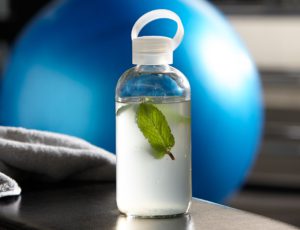
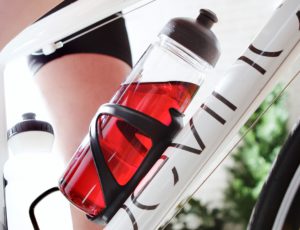
Maple syrup-based drinks and foods are excellent options during exercise: they provide easily usable sugars and electrolytes (sodium and potassium) to help replace losses through sweat. These homemade maple-based energy drinks contain no added coloring, artificial flavors, additives, or preservatives—just natural energy from here at home.



After Training
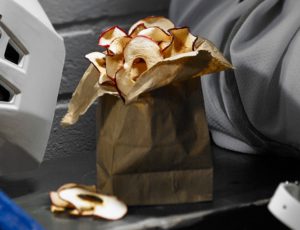
Post-exercise nutrition is essential to initiate recovery by supplying nutrients to your muscles. A combination of carbohydrates and protein is key, especially if your next workout is within 24 hours.
How much do you need?
- Protein: 0.3 g per kg of body weight (approximately 15–25 g)
- Carbohydrates: 1.0 to 1.2 g per kg of body weight (about 50–80 g or more)
Eating after exercise helps support muscle recovery and replenish energy stores. However, the idea that protein must be consumed within 30 minutes is a myth. What matters most is total daily protein intake and how it is distributed across meals. A balanced meal or snack consumed within 30 minutes to 2 hours post-exercise is sufficient to support recovery and performance.
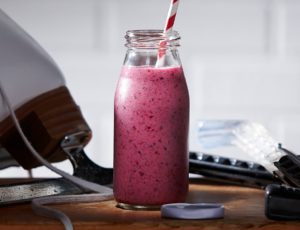
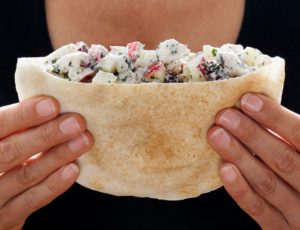
These recovery recipes, made with simple and natural ingredients, can be enjoyed immediately after training or once you’re back home.


Snacks
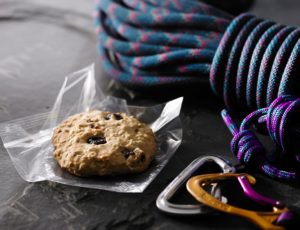
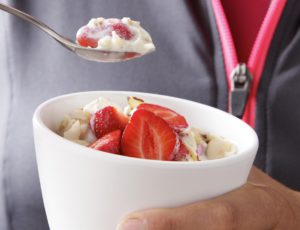
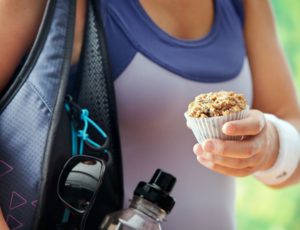
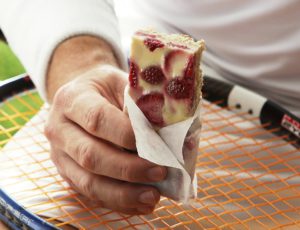
These recipes are excellent snack options in the afternoon before an evening workout, after exercise, or during long cycling sessions or hikes. They provide both simple and complex carbohydrates, protein, vitamins, and essential minerals for active individuals.
Planning an activity lasting more than 2.5 hours? Pair your energy drink with an additional snack to meet your needs, which exceed 60 g of carbohydrates per hour. While hiking, try delicious, easy-to-carry energy squares to ensure adequate carbohydrate and nutrient intake. During long endurance or high-intensity sessions, combine your drink with energy gels, gummies, or maple waffles to optimize tolerance and performance.


Maple Ambassador
61 recipes

Stéphanie Côté
NutritionistThe Science Behind Maple
Researchers are learning about the natural composition of maple syrup and its potential benefits to human health. Find out what they know!